A lawn does not look “good” by accident. It looks good because the grass is being treated like a living system, not a thing you cut down to match a photo. In Shakopee, MN, that usually means mowing on schedule, setting the cut height correctly, and staying consistent enough that the lawn can recover between visits.
When homeowners call for lawn mowing service Shakopee, they often describe the same problem in different words. Patches get scalped near sidewalks, weeds get a chance to take over in open areas, and the lawn’s color seems to depend on which day the crew came by. Consistent mowing height fixes more than appearance. It supports root growth, reduces stress during warm stretches, and helps the turf fill in instead of thinning out.
Below is how we keep heights consistent, what goes wrong when crews treat mowing like a quick pass, and how landscaping service in Shakopee MN can tie mowing quality together with edging, trimming, and overall yard structure.
Why “mow frequency” matters as much as cut height
Most people focus on the mower setting, and that matters. But consistency is a math problem, not a guess. If the grass is growing faster than the mowing schedule, the blades end up taking a big bite out of the plant. That stresses the lawn, encourages uneven regrowth, and can leave you with a striped look that fades quickly.
Here’s the lived reality: Minnesota lawns swing through growth spurts. Spring growth often ramps up suddenly, then summer heat and moisture patterns change the rate week to week. In practice, the “right” height is only right if mowing happens often enough that the grass doesn’t get too tall between visits.
A consistent plan means we watch the lawn, not the calendar. If it’s been a week and growth is slow, we maintain. If we get a stretch of warm, wet weather and the lawn jumps an inch or two, we adjust mowing frequency rather than letting one cut do too much work.
This is where lawn care Shakopee becomes more than a service name. It’s a rhythm, and the rhythm is measurable. We look at how much growth is present, how even the lawn is across zones, and whether the mower deck can be set accurately for the conditions we’re mowing.
The deck setting is the easy part, accuracy is the hard part
A typical misconception is that setting the mower to, say, 3 inches automatically gives a consistent lawn. Sometimes it does, but many Shakopee yards are not flat. Grass grows differently along slopes, around sprinkler heads, and in shaded areas. Even the driveway edge creates micro level changes.
To keep heights consistent, the workflow has to account for surface variation and mower behavior:
- Deck height changes when the wheels ride over uneven ground. Wet clippings and thatch can change how the cut looks from pass to pass. Scalping happens faster on compacted soil near walkways and wheel ruts.
A good crew doesn’t just set a number once and hope. They recheck height accuracy when conditions change. That might mean re-leveling the deck after mowing over a rougher area, or slowing down where wheel marks are likely. It also means using a consistent mowing pattern so the deck is not bouncing and the cut is not changing unintentionally.
In my experience, the lawns that stay “even” have three things in common: correct mowing height for the season, enough frequency to avoid scalping from overgrowth, and attention to the spots that usually get missed, like fence lines and the strip between the lawn and a hardscape.
Keeping edges clean without shaving the lawn
Many homeowners notice unevenness first at the borders. That is where scalping shows up as a thin, light band or a patchy curve that doesn’t match the rest of the yard. Edges are also where mowing meets craftsmanship. If a crew rushes the borders, the mower wheels ride higher or lower, the deck digs in, and the edge becomes a weak spot.
This is where landscape edging Shakopee MN comes into play. Edging is not only about looks. It creates a predictable boundary between turf and mulch, between grass and paver, and between the lawn and landscaping beds. When edging is installed correctly, it reduces the chance of accidental scalping during mowing and trimming.
If you already have edging, consistent mowing should respect it. That can mean trimming close enough to keep the border crisp, but not so close that you take off more than the intended grass height.
If you do not have edging, or if the boundary has shifted over time, the fix is not always “mow better.” Sometimes the lawn is losing definition because roots and runners are creeping into a bed. Sometimes the bed edge is too high, so mowing wheels climb onto mulch and cut height changes. In those situations, landscaping design installation Shakopee options often include reworking borders so the lawn and beds behave more like separate, manageable zones.
A practical mowing approach for a Shakopee yard
Every property is different, but the fundamentals hold. The best crews treat mowing as a controlled process, not a quick circuit. For a typical residential lawn in Shakopee, we aim for the same deliverables every visit: clean cuts, uniform height across zones, and a consistent look that holds through the week.
The goal is not a perfectly identical shade every day, because grass color shifts with sun and moisture. The goal is that the lawn grows back evenly and fills in reliably, so you don’t see “lawn math” differences between the front and backyard.
When we talk to homeowners about lawn mowing service Shakopee, we usually clarify expectations in plain terms. Consistency comes from repeatable settings, careful passes, and a crew that knows where the weak points are on your lot.
What you should expect on a first visit
If you want to judge whether a provider is set up for consistent mowing, ask what they do at the start. A steady workflow should include:
- A quick walkthrough to find uneven areas, slopes, and known problem zones A deck height set based on the season and current grass growth Border handling that prevents scalping near sidewalks, beds, and fences A plan for trimming so the lawn lines match the mowing height
You do not need them to recite a manual. You need them to show that they understand your yard is not a flat rectangle.
Uneven growth and scalping: what causes it
Scalping can look like a “bad cut,” but the cause is usually a decision point that got skipped. The mower deck might be set too low for the turf’s growth stage, or the crew might mow after the grass has gotten too tall. Another common culprit is the yard’s internal variation, like shaded pockets that grow differently from sunny strips.
Here are the most common patterns we see:
Thin spots near hardscape
The grass is shorter there because the area compacts, dries out, or receives more heat. If the crew uses one height setting everywhere without adjusting for how the mower rides, the thin spots get shorter again.
Wheel ruts and uneven passes
A mower can leave subtle wheel marks that alter the cut height in the next pass. The difference might be minor, but it shows up over multiple visits.Overgrowth between cuts
When the grass is too tall, the cut takes more off the blade than the lawn can handle comfortably. The result is ragged edges and slower, uneven recovery.Wet or clumped mowing
Wet grass can stick and cause uneven cutting. If clippings mat, the turf underneath gets less light and airflow, and regrowth can look patchy.Skipping areas behind obstacles
Under stairs, beside sheds, and along gates often get partial passes. Those areas stay slightly taller, and after a few weeks, the lawn looks “uneven” even if most of it was mowed correctly.When you see these issues, they are usually fixable, but the fix must address the root cause. Lowering height too aggressively can make the situation worse, and mowing faster without adjusting edge strategy can still lead to scalping in predictable bands.
Consistent mowing height supports a stronger lawn
A lot of homeowners want a shorter lawn because it “looks cleaner.” But in many cases, the lawn performs better at a moderate height. Longer blades shade the soil, hold moisture better, and support deeper roots. The difference shows up in durability. A lawn that holds up in August is rarely a lawn that got https://rentry.co/82d3y9yv repeatedly cut too short.
In the Shakopee climate, lawns go through seasonal transitions, and mowing strategy helps each stage. In spring, you generally want to encourage growth without stressing tender blades. In summer, you need to manage heat cycles and moisture swings. In fall, mowing height and frequency still matter because the grass is setting up for overwintering.
Consistency is what lets the lawn follow that plan. If height jumps every week because settings change or crews vary their technique, the lawn has to recover from a moving target. When that happens, you see color inconsistency, uneven density, and more pressure from weeds.
We also see fewer “mow lines” that fade out unevenly. Those lines can happen when cut height differs slightly from pass to pass or when clippings distribute unevenly. Good crews pay attention to how clippings fall and whether the mower is leaving visible bands.
Trimming, blowing, and the parts people forget
A lawn can be evenly mowed and still look messy if the finishing work is inconsistent. In Shakopee yards, the finishing work is often where the quality gaps show.
Trim quality depends on more than having sharp trimmer line. It depends on consistent distance from the lawn edge and on not shaving down the turf where it meets beds. Over-trimming can remove more grass height than intended and create a thin border.
Blowing is another part of quality. If clippings are left piled near sidewalks or beds, they break down slowly and can smother small areas of turf. A clean, even blow after mowing supports a more uniform look and better airflow at the surface.
When landscaping design installation Shakopee is involved, these details matter even more. Beds and borders create defined edges, but only if the lawn and bed lines stay aligned. Otherwise, mowing and trimming work becomes a constant negotiation.
How edging and bed layout improve mowing consistency
This is where lawn mowing blends naturally into the broader landscape service. A lot of yards have beds that drift over time because the edge is not physically defined. Mulch shifts, grass expands into bed zones, and borders become blurry. Then every mowing session requires guesswork to avoid cutting into beds.
Landscape edging Shakopee MN can solve that by giving you an actual boundary. When edging is installed with the right height and placement, it creates a consistent reference line. That means the mower wheel does not climb over mulch unpredictably. It also means trimming lines can be maintained without cutting deep into the grass.
If you are building or reworking the landscape, landscaping design installation Shakopee planning can take mowing into account from the start. For example, if a bed is too narrow, trimming becomes constant and easy to overdo. If the border is not shaped to follow natural contours, you end up with sharp transitions that look good on paper but are difficult to mow evenly in real conditions.
A thoughtful design considers the workflow: how the mower approaches the area, where wheel paths naturally fall, and which edges need sturdier definition.
Tree service and mowing under different light conditions
Tree canopy is the hidden driver of lawn unevenness. Shaded areas often grow slower, but they also retain moisture longer. That can lead to patchy regrowth if mowing frequency and deck settings are treated the same across sun and shade.
In yards with tree cover, lawn care Shakopee usually becomes more nuanced. The timing might need adjustment, and the crew might handle shaded zones differently to avoid scalp lines that form when the lawn is thinner underneath the canopy.
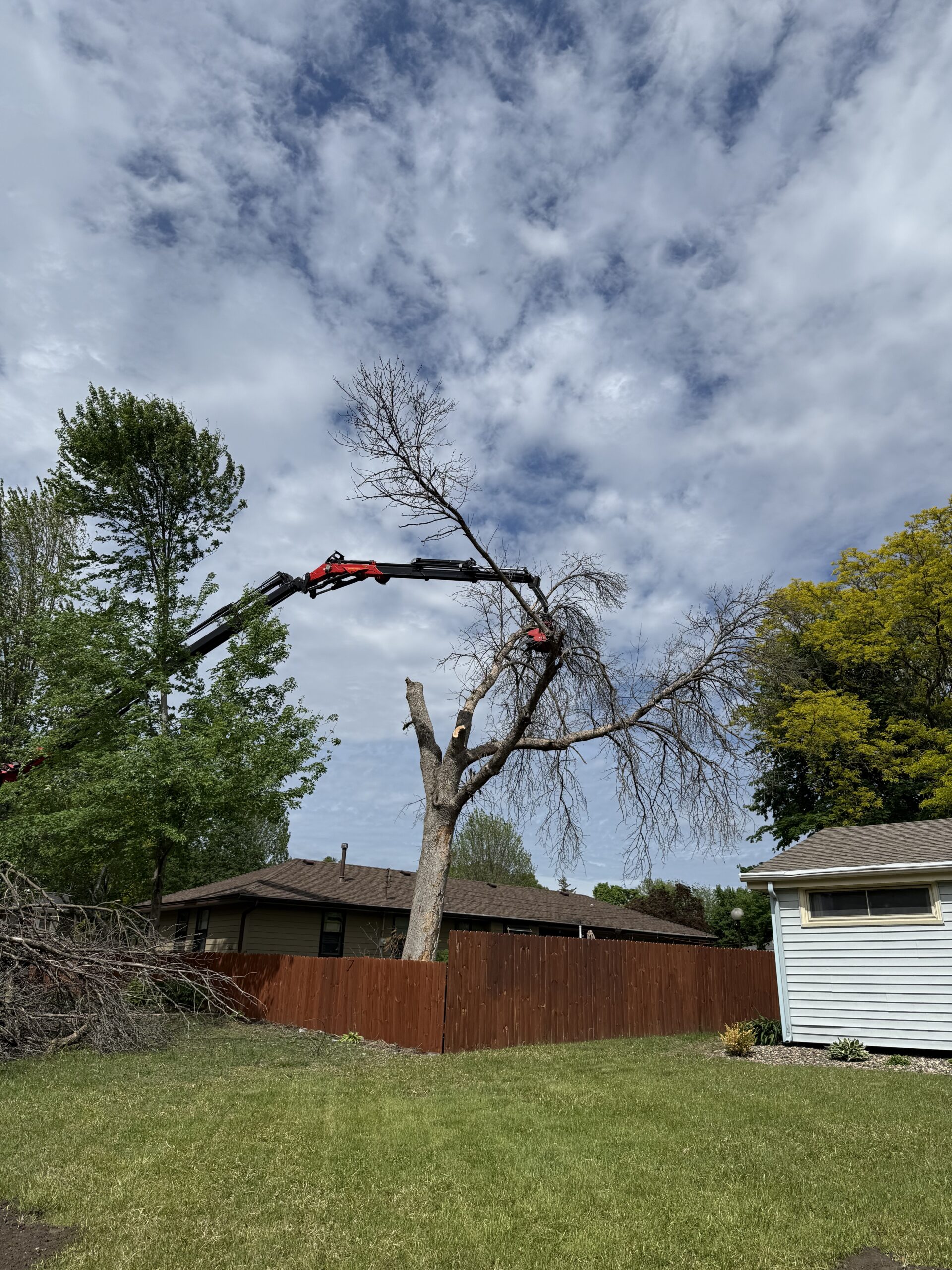
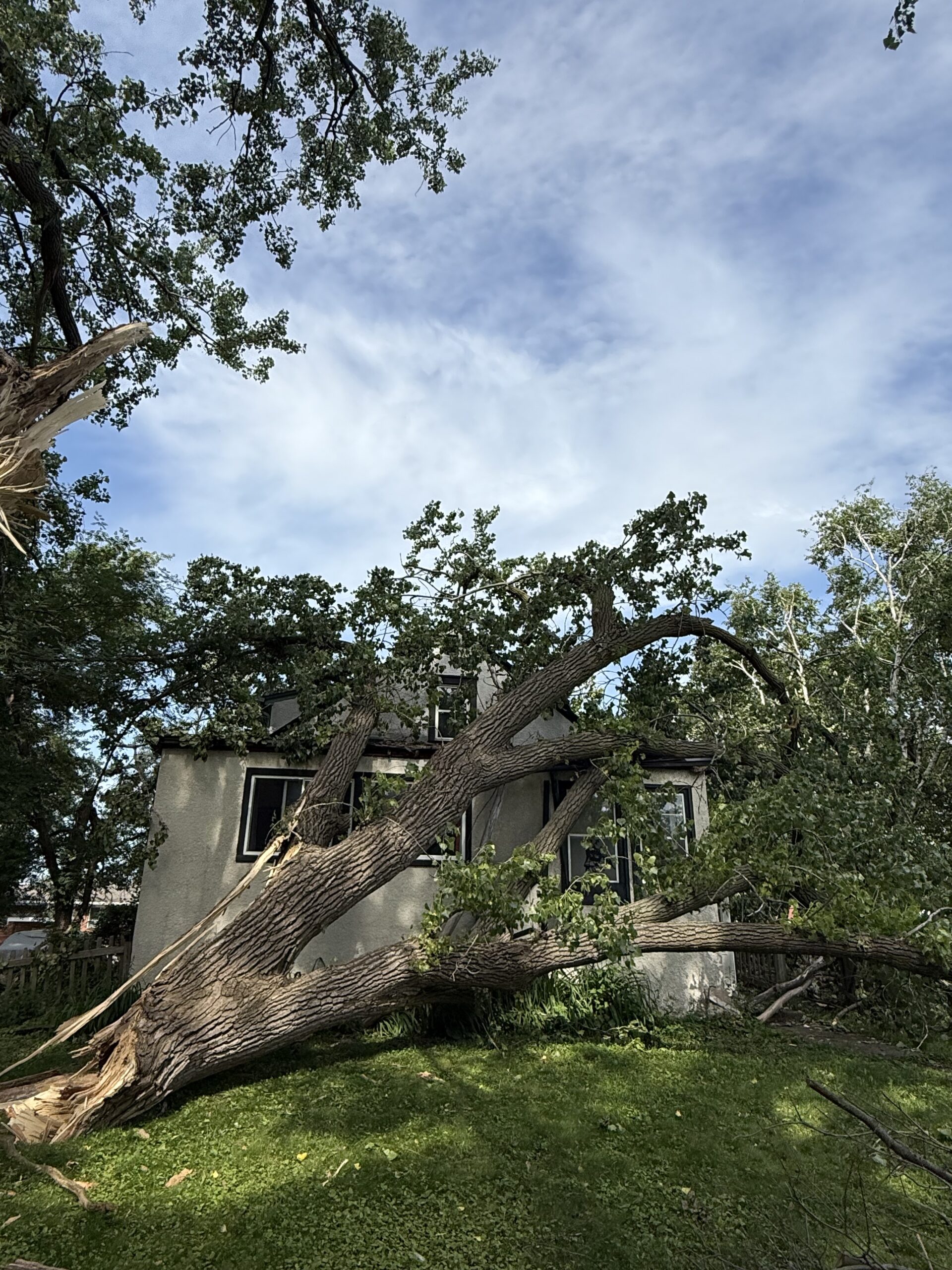
This is one reason tree service in Shakopee is relevant to mowing quality. Pruning that improves airflow and light penetration changes how the grass grows. Removing dead limbs can reduce leaf drop patterns, which affects clumping and cleanup priorities. Stump grinding and root management can also change drainage and turf behavior in specific spots.
You do not need heavy tree work to see mowing improvements, but you do want a provider who understands how trees and turf interact. When those pieces are considered together, the lawn becomes easier to maintain and the “mow consistency” problem shrinks.
Seasonal strategies that keep height steady
Consistency is not a single number you set once. It is how you respond to season changes without overcorrecting.
Spring often calls for careful handling, because the lawn is transitioning from dormancy and some areas recover slower than others. Summer is about managing growth spurts and heat. Fall is about staying steady enough that the lawn closes gaps and prepares for colder temperatures.
Practically, that means a mowing service should be flexible while still maintaining a consistent standard. The mower height should match current growth, the mowing schedule should match growth rate, and edge handling should remain careful even when the yard looks messy after storms.
Storms are a real factor in Minnesota. Wind and heavy rain can lay down grass and create uneven growth direction. A crew that rushes or mows without checking those conditions may cut blades differently across the lawn. A consistent provider checks and corrects, even if it means taking a slightly different pass pattern that day.
What to measure when you want “consistent” results
You can tell if a provider is truly keeping height consistent with a few simple observations. Look at the first week after service. Does the lawn look even, or do you see rapid thinning in certain bands? Does regrowth happen uniformly, or does the backyard look greener while the front looks stressed?
If you want something more concrete, you can measure cut height variation at a few fixed points. Choose places where the mower typically rides differently, like near a sidewalk and near a slope. Compare those points after mowing. If the lawn consistently comes out at the same height across zones, the service is doing more than “setting the deck.” They are controlling the workflow.
A consistent lawn is also quieter. It does not develop the patchy texture that forces you into repeated spot fixes. When mowing height is stable and edging is respected, you are less likely to see those cyclical problems where weeds pop up exactly where the mower tends to scalp.
Common edge cases that need judgment
Real yards refuse to be perfectly uniform. Here are a few situations where consistent mowing requires a provider to use judgment instead of autopilot.
Some lawns have areas that are always lower because of prior grading. Those areas scalp faster, even if the mower deck is set the same. The solution is not always to raise the deck across the whole yard. Sometimes you adjust mowing approach for that zone, reduce deck aggression near compacted areas, and handle edges carefully.
Other yards have sprinkler heads, low spots, or decorative rocks near grass. If a crew rides over those obstacles without slowing down, you get height variation. Consistency means slowing when needed, not forcing the same pace everywhere.
Finally, if a yard has recently been seeded or sodded, grass density and blade strength can differ across the lawn. Mowing too soon or too low can set back the establishment. A quality provider will communicate what they see and adjust expectations, rather than mowing the same way in every situation.
Choosing a service that aligns with how lawns actually grow
If you’re evaluating landscaping service in Shakopee MN for mowing, ask questions that reveal process. Do they treat edges with care? Do they pay attention to uneven ground? Will they adjust mowing plans when growth rates change? Do they coordinate mowing with other yard work so the lawn stays consistent through the season?
Homeowners often think mowing is a standalone task, but it rarely is. The lawn’s look depends on trimming, bed borders, tree canopy effects, and cleanup. When those pieces align, mowing becomes easier and your yard looks better without constant rescue work.
That is the real payoff of consistent heights. A lawn that is mowed at the right level, often enough, and with respect for edges settles into a dependable growth pattern. It stops fighting you week to week, and it starts looking like it belongs on your block.
If you want a lawn that stays even, crisp, and reliably green, the best starting point is a mowing service that understands consistency as a system. In Shakopee, that means careful deck accuracy, edge strategy, and a plan that respects how light, shade, and yard structure change the way grass grows.
JCJ Landscaping and Snow Removal
7 West Travelers Trail, Unit 391, Burnsville, MN(55337)
(952) 649-6655
[email protected]
Website: https://jcjpropertymaintenance.com